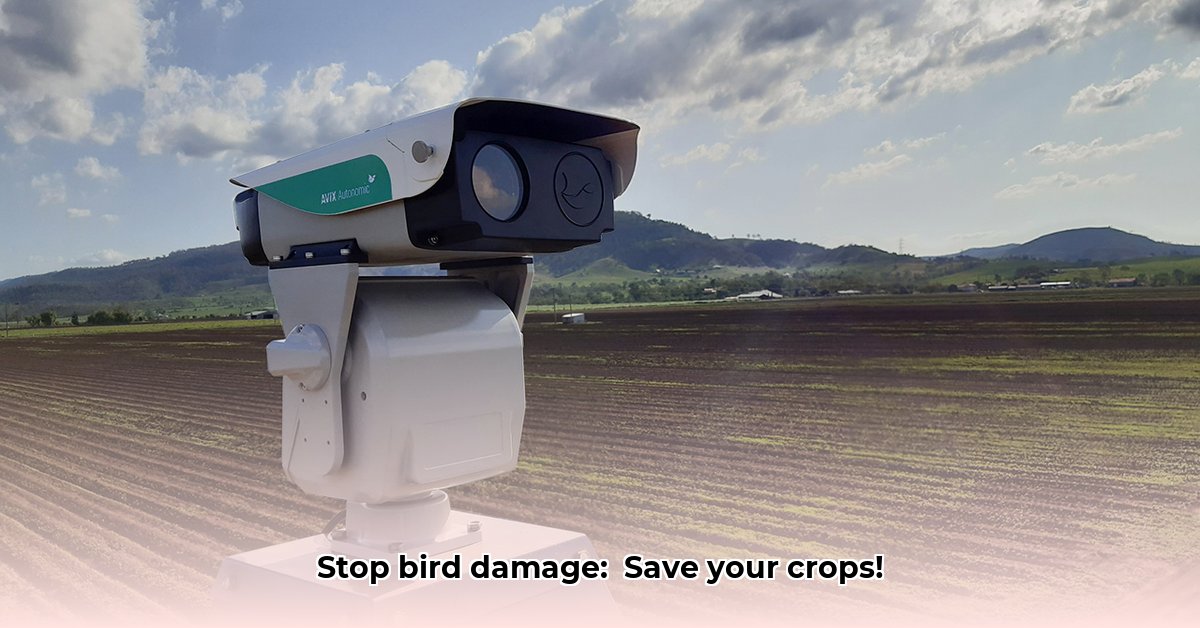
Protecting your crops from bird damage is crucial for sustainable and profitable farming. The losses incurred from bird predation can significantly impact a farmer’s bottom line. Fortunately, effective and environmentally friendly bird deterrents are readily available, and this guide will help you navigate the options available at Tractor Supply and similar retailers to develop a sustainable bird control strategy for your farm.
Types of Bird Deterrents: A Farmer's Guide
Tractor Supply offers a range of bird deterrents, each with its own strengths and weaknesses. Choosing the right method requires careful consideration of your specific needs and the types of birds affecting your crops.
1. Visual Deterrents: Tricking the Eye
Visual deterrents rely on creating a visual disturbance to deter birds. These include:
- Scarecrows: A classic and inexpensive option, but effectiveness diminishes over time as birds become accustomed to their presence. Regular repositioning is essential.
- Reflective Tape/Mylar Balloons: Shiny, reflective surfaces create movement and flashes of light, startling birds. Relatively inexpensive and easy to install. However, birds can habituate to these solutions over time. Rotating their position and type is key.
- Predatory Bird Decoys: Realistic models of predators (owls, hawks) can effectively deter birds. However, their effectiveness decreases if left stationary for prolonged periods.
2. Auditory Deterrents: Making Some Noise
These deterrents utilize sound to scare or annoy birds:
- Bird Distress Calls: These recordings simulate the distress calls of birds, causing nearby birds to flee. While initially effective, birds can quickly become habituated, rendering them less effective over time. Short, intermittent use may provide better results.
- Ultrasonic Devices: Emit high-frequency sounds inaudible to humans but unpleasant to many birds. Effectiveness varies significantly depending on the species of bird and environmental factors. Their range is often limited.
3. Physical Barriers: Keeping Them Out
Physical barriers directly prevent birds from accessing crops:
- Bird Netting: A highly effective method, bird netting creates a physical barrier. However, it requires careful installation to avoid damaging crops and ensure effectiveness. Regular inspection and repair are vital. There are several types of netting to choose from, each with different mesh sizes and strengths, to select the netting best suited for your needs.
4. Chemical Deterrents: A Sustainable Farmer's Cautionary Approach
While chemical bird repellents may be available at Tractor Supply, they are generally not recommended for sustainable agriculture. The potential for environmental harm and negative impacts on beneficial insects and other wildlife outweighs the benefits. Prioritize non-chemical alternatives.
Choosing the Right Deterrent: A Personalized Approach
The most effective deterrent often depends on several factors. Is the issue a one-time problem or continuous? Are the birds habituated to deterrents used in the past? What is your budget? What will happen if they aren’t deterred?
A cost-benefit analysis is essential, considering not just the initial purchase price but also the ongoing maintenance and replacement costs in relation to the value of the crops protected. A combination of methods is often the most effective approach.
| Deterrent Type | Effectiveness | Initial Cost | Maintenance Cost | Environmental Impact | Ease of Use | Long-Term Effectiveness |
|---|---|---|---|---|---|---|
| Visual | Moderate | Low | Low | Low | Easy | Moderate |
| Auditory | Moderate | Low-Medium | Low | Low | Easy | Low |
| Ultrasonic | Variable | Medium | Low | Low | Easy | Moderate |
| Physical (Netting) | High | Medium-High | Medium | Low | Moderate | High |
| Chemical Repellents | Variable | Medium | High | High | Easy | Low |
Implementation and Maintenance: A Step-by-Step Guide
Proper installation and maintenance of bird deterrents are paramount. Birds are adept at adapting to new circumstances.
- Site Assessment: Identify areas with the most significant bird damage.
- Deterrent Selection: Choose appropriate deterrents based on the assessment and cost-benefit analysis.
- Installation: Follow manufacturer instructions precisely. For netting, ensure it is securely attached and does not harm plants or wildlife.
- Monitoring: Regularly check the effectiveness of deterrents and make adjustments as needed.
- Maintenance: Regularly repair or replace damaged components and clean deterrents to maintain effectiveness.
Sustainable Considerations: Working in Harmony with Nature
Sustainable agriculture emphasizes minimizing environmental impact. Prioritize non-chemical solutions and integrate bird control with other sustainable practices:
- Integrated Pest Management (IPM): A holistic approach that combines multiple strategies to minimize pest damage.
- Crop Rotation: Rotating crops can reduce bird attraction to specific plants.
- Habitat Management: Modifying the environment around your crops to make them less attractive to birds.
Troubleshooting and FAQs
- Birds are ignoring my deterrents: Try rotating deterrents, changing their placement, or combining methods.
- Netting is damaged: Repair promptly to maintain effectiveness.
- Ultrasonic device seems ineffective: Not all species respond to ultrasonic devices; try alternative methods.
By understanding the various bird deterrent options, implementing them correctly, and integrating them into a holistic sustainable farming strategy, you can effectively protect your crops from bird damage while minimizing harm to the environment. The resources available at Tractor Supply provide a great starting point for building a successful, sustainable bird control plan.